
Modern environmental remediation services are evolving rapidly as innovative cleanup technologies transform how polluted land, water, and air are restored. These advanced approaches focus on efficiency, sustainability, and long-term ecological balance. By combining science-driven methods with digital monitoring and eco-friendly practices, remediation efforts are becoming more precise and effective. Today, the goal is not only to remove contaminants but also to rebuild healthy ecosystems and prevent future environmental damage. As environmental challenges grow, modern remediation strategies provide powerful solutions that support cleaner communities, safer natural habitats, and improved resource management across diverse landscapes worldwide. Readers are advised to see website for updates.
These services are increasingly important in addressing global environmental challenges, including industrial pollution, land degradation, and water contamination. With continuous innovation, they support sustainable development goals and encourage responsible resource use across industries and communities.
Innovative Cleanup Technologies
Modern remediation services utilize a range of innovative technologies designed to target pollutants at their source while minimizing environmental disruption. These methods enhance precision and reduce recovery time.
- Bioremediation techniques that use natural organisms to break down harmful substances in soil and water.
- Soil vapor extraction systems that remove volatile contaminants efficiently from underground layers.
- Advanced filtration and membrane systems that improve water purification processes.
- Thermal treatment methods that neutralize hazardous materials through controlled heating.
- Data-driven monitoring tools that track contamination levels in real time for better decision-making.
Key Benefits of Modern Remediation
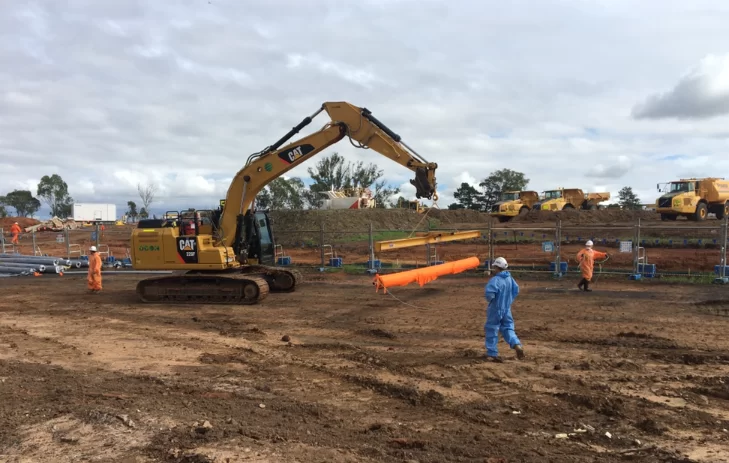
These innovative technologies bring multiple benefits that support sustainable environmental recovery and long-term protection of ecosystems.
- Improved efficiency in removing contaminants from soil, water, and air.
- Reduced environmental disruption during cleanup operations.
- Enhanced accuracy in identifying pollution sources and levels.
- Long-term cost savings through sustainable and preventive approaches.
- Stronger protection of biodiversity and natural habitats.
Furthermore, these benefits contribute to stronger regulatory compliance and improved public health outcomes, making remediation an essential part of modern environmental management strategies worldwide.
Applications Across Different Environments
Modern remediation solutions are applied across various environments affected by pollution and degradation, ensuring broad ecological impact.
- Industrial sites requiring restoration of contaminated soil and groundwater.
- Urban areas impacted by waste accumulation and air pollution.
- Agricultural lands affected by chemical residues and soil imbalance.
- Coastal and marine environments suffering from oil and waste contamination.
- Former mining areas needing ecological rehabilitation and stability.
Conclusion
Overall, modern environmental remediation services play a crucial role in restoring ecological balance through innovative and sustainable technologies. By integrating advanced scientific methods with environmentally responsible practices, these services help transform degraded areas into healthy, productive ecosystems. The continued development of new technologies ensures faster recovery, greater precision, and long-term environmental protection. As awareness of environmental preservation grows, these modern solutions remain essential for building a cleaner, safer, and more sustainable future for all living systems.
Emerging research and technological advancements continue to refine remediation techniques, making them more adaptive to complex environmental conditions. This ongoing progress ensures that future solutions will be even more efficient, scalable, and environmentally friendly, strengthening global efforts toward ecological restoration.