
Used oil disposal plays a crucial role in maintaining a healthy environment and protecting communities. When handled improperly, used oil can seep into soil, pollute water, and harm plants, animals, and humans. Proper disposal ensures that this valuable resource is recycled or treated safely, reducing environmental damage and health risks. Every individual and organization has a responsibility to follow safe disposal practices. By taking simple steps to manage used oil, we can support cleaner ecosystems, preserve water quality, and contribute to long-term sustainability efforts that benefit both people and the planet.
Why Proper Used Oil Disposal Matters
- Protects Water Sources: Prevents contamination of rivers, lakes, and groundwater.
- Reduces Soil Pollution: Keeps toxic substances from harming plants and soil organisms.
- Supports Wildlife: Limits exposure of animals to hazardous chemicals.
- Enhances Public Health: Reduces risks of skin, respiratory, and other health issues.
- Encourages Resource Recycling: Used oil can be re-refined and reused safely.
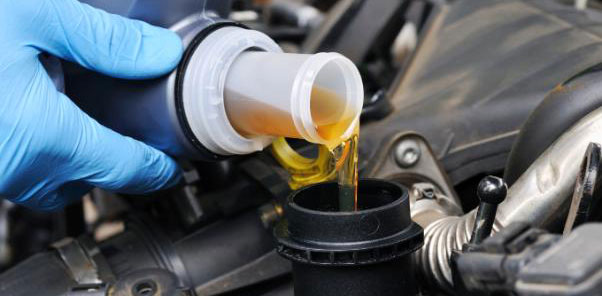
Effective Methods for Used Oil Disposal
- Collect and Store Safely:
o Use sealed, leak-proof containers.
o Label containers clearly as Used Oil.
o Store in a dry, shaded area away from open flames.
- Drop-off at Collection Points:
o Many local recycling centres accept used oil.
o Certified collection facilities ensure proper treatment or recycling.
- Recycling Options:
o Used oil can be reprocessed into lubricants, fuel, or industrial oils.
o Recycling reduces the need for new oil production, conserving resources.
- Avoid Common Mistakes:
o Never pour used oil into drains, sewers, or soil.
o Avoid mixing oil with water, chemicals, or other waste materials.
o Do not burn used oil in open areas, as it releases harmful fumes.
Community and Individual Actions
- Organize Collection Drives: Encourage neighbours and local groups to participate in oil recycling.
- Educate Others: Share knowledge about safe handling and environmental impact.
- Monitor Storage Practices: Businesses and workshops should maintain proper oil storage and disposal logs.
- Support Eco-Friendly Products: Opt for biodegradable or synthetic oils that reduce environmental hazards.
Benefits of Responsible Used Oil Disposal
- Cleaner Communities: Fewer pollutants in water, soil, and air.
- Healthier Ecosystems: Wildlife and plants thrive without chemical threats.
- Conservation of Resources: Recycled oil reduces dependence on new oil extraction.
- Long-Term Sustainability: Proper disposal practices ensure ongoing environmental protection.
Proper disposal of used oil is a small effort with significant impact. By following recommended methods and encouraging others to do the same, individuals and businesses contribute to a cleaner, safer planet. Responsible practices not only protect the environment but also promote a culture of sustainability that benefits everyone. Making Afgewerkte olie laten ophalen recycling a priority supports healthier communities, preserves natural resources, and ensures a safer future for generations to come.