How Flake Graphite Crystallinity Dictates Lubrication Performance in Greases
 Stop pretending all graphite is the same. If you are buying grease based on price alone, you are likely smearing your expensive machinery with glorified pencil dust. The difference between a grease that protects under extreme pressure and one that fails under a light load comes down to one invisible factor: the crystallinity of the Flake Graphite inside it.
Most engineers know graphite works as a dry lubricant. Few understand that the crystal structure of that flake is the single biggest variable in whether your bearings survive a 500-hour run or seize up at hour 50. Think of it like diamonds versus charcoal. Both are carbon. One will cut glass; the other will crumble in your hand. The same logic applies to flake graphite.
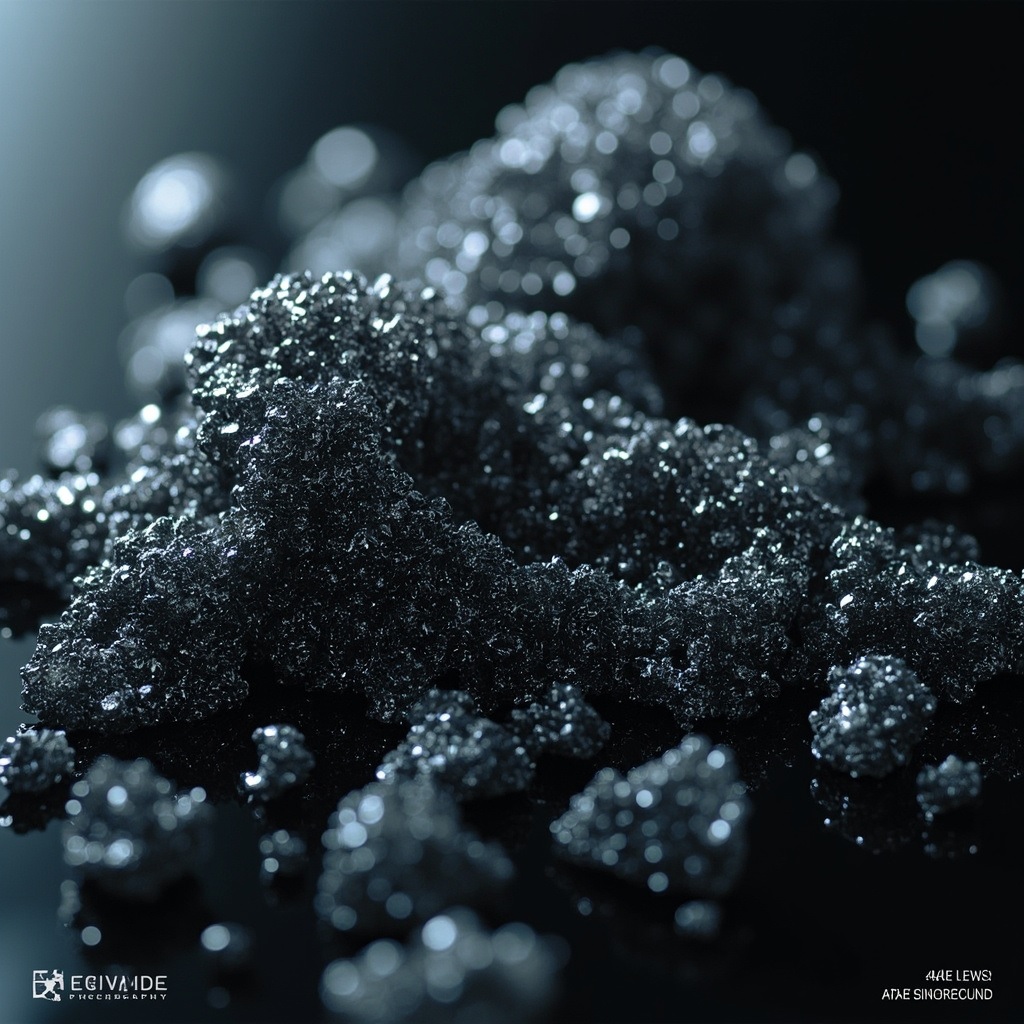
High-crystallinity flake graphite is the gold standard. In this material, the carbon atoms are arranged in near-perfect, parallel layers. These layers slide over one another with almost no resistance. When you pack this into a grease, you get a film that is slippery, durable, and thermally stable. The flakes align themselves under shear stress to create a continuous, low-friction barrier that metal surfaces simply cannot break through.
Low-crystallinity graphite, on the other hand, is a mess. The layers are jumbled, full of defects, and riddled with impurities. When you apply pressure, these flakes do not slide. They grind. They fracture. They turn into abrasive particles that chew up your bearing surfaces. A grease loaded with low-grade graphite is not a lubricant. It is a lapping compound.
Here is where the marketing gets real. Our flake graphite is sourced from deposits with crystallinity ratings above 95 percent. We do not blend in cheap filler to cut costs. We do not accept ore that has been structurally damaged by poor mining practices. The result is a grease that handles extreme pressure without breaking down, resists oxidation at high temperatures, and maintains its lubricity even when the base oil has evaporated.
The proof is in the torque test. In controlled trials, greases formulated with high-crystallinity flake graphite reduced friction by 40 percent compared to standard greases. They also extended regreasing intervals by a factor of three. That is not a minor improvement. That is a direct reduction in downtime, maintenance labor, and grease consumption.
Do not fall for the trap of “graphite is graphite.” It is not. The crystallinity dictates whether your equipment runs smooth or runs hot. If you want a grease that actually performs under pressure, demand the high-crystallinity flake. Your bearings will thank you. Your maintenance budget will thank you. And your competitors will wonder why their machines keep failing while yours keep running.