
Empower Your Workforce with Microsoft Project Training for Long-Term Success
Organizations that invest in the right tools and training empower their workforce to deliver better results. Microsoft Project is a powerful project management software designed to help teams plan, execute, and track projects efficiently. Providing Microsoft Project training to employees enhances their ability to manage complex projects, collaborate effectively, and meet deadlines. This kind of training builds strong project management skills that benefit both the individual and the organization.
Why Microsoft Project Training Matters
Microsoft Project training equips employees with essential skills to handle project planning, scheduling, resource allocation, and progress tracking. Without proper training, teams may struggle to use the software effectively, leading to delays, budget overruns, or missed goals. Training ensures that everyone understands how to use Microsoft Project’s features to streamline workflows and make informed decisions.
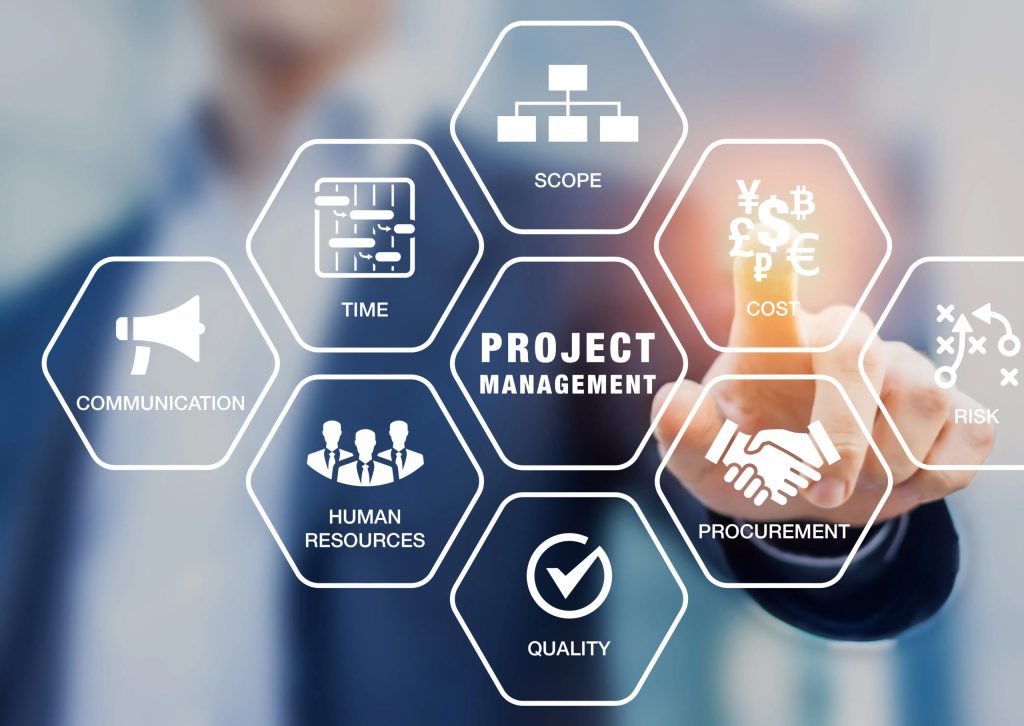
The Benefits of Microsoft Project Training
- Improved Project Planning: Employees learn how to create detailed project plans, set realistic timelines, and define clear milestones.
- Better Resource Management: Microsoft Project Training teaches how to allocate resources wisely, avoid overloading team members, and optimize productivity.
- Enhanced Collaboration: Teams can share project updates, assign tasks, and communicate progress within the software, reducing miscommunication.
- Accurate Tracking: Learning to track progress and adjust plans helps teams stay on schedule and within budget.
- Risk Management: Training enables early identification of potential risks and creation of mitigation plans.
- Reporting and Analysis: Employees gain skills to generate insightful reports, helping management make data-driven decisions.
Long-Term Impact on Your Organization
Microsoft Project training does more than improve immediate project outcomes. It fosters a culture of accountability and professionalism that benefits long-term organizational goals. Here is how:
- Consistent Project Success: Well-trained teams deliver projects on time and within budget, increasing client satisfaction and business reputation.
- Increased Employee Confidence: Skilled workers feel more confident managing projects, which boosts morale and reduces turnover.
- Scalability: Organizations can take on larger or more complex projects as workforce capabilities improve.
- Cost Savings: Efficient project management reduces wasted resources and avoids costly delays.
- Competitive Advantage: Mastery of Microsoft Project allows companies to respond swiftly to market demands and stay ahead of competitors.
How to Implement Effective Microsoft Project Training
- Identify Training Needs: Assess the current skill levels of your workforce to tailor the training program.
- Choose the Right Format: Select between in-person workshops, online courses, or blended learning to suit your team.
- Use Hands-On Practice: Encourage real-world project exercises during training for better retention.
- Provide Ongoing Support: Offer refresher courses and access to resources to keep skills sharp.
- Measure Training Effectiveness: Track performance improvements and project outcomes to evaluate ROI.
Empowering your workforce with Microsoft Project training sets the foundation for long-term project management success. It builds essential skills, promotes collaboration, and drives efficiency. With a well-trained team, your organization is better positioned to achieve its goals consistently and grow sustainably. Investing in Microsoft Project training is not just a short-term fix but a strategic move toward building a capable, confident, and competitive workforce.